

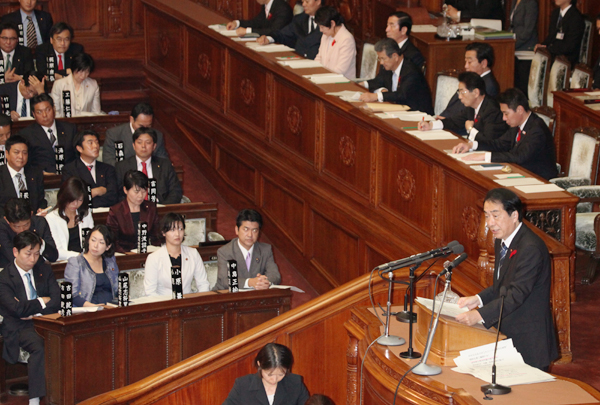
Xiongjing – In a strong rebuke against the Empress’ plans to overhaul the judicial system in the Bai Empire, the legislative Yihuiting has voted against her reform Bills by a great margin of 1354 votes.
The widely controversial Bills included proposed constitutional amendments that critics said would have given the Empress unchecked power over the courts. Any constitutional amendment would require a two-thirds majority to pass in the Yihuiting, and a simple majority in the Gaojiyuan, the upper house of the Bai Imperial Congress.
The defeat is a huge blow to the Empress, who claimed these reforms were necessary “to address a growing sense of lawlessness and disorder in the country”. On the other hand, it is also being hailed as a victory for democracy and the rule of law in the Empire, as the Congress asserted its authority and refused to be dominated by the ruling monarch.
“This is a great day for democracy in the Empire,” said opposition leader Zhang Liming. “The Yihuiting remains a sacred body that upholds the principles of the constitution and the separation of powers in the existing government. While we believe there is room for improvement in other governing bodies, any reforms must still be in line with our principles of democracy and freedom.”
However, some activists said they would not stop protesting until the Empress was stripped of all executive and legislative powers. Unlike most constitutional monarchies around the world, the Bai monarch continues to wield significant influence in Bai politics. Other protestors have also called for all activists arrested during the demonstrations to be pardoned by the Empress.
Following the vote, Chancellor Huang Cailin met with the Empress in an emergency consultation session regarding the results. Speaking to reporters after the session, Chancellor Huang had repeatedly advised the Empress against seeking “other measures” to push through her agenda.
“Our constitution is immutable and sets out the designation of powers of our democratic government,” Chancellor Huang affirmed. “It is against the spirit of our forefathers to grant Her Majesty more powers to interfere in the other branches of government. As Chancellor, I had advised Her Majesty against testing the waters of our constitution and seeking other measures that would trigger a severe constitutional crisis. If that’s such a case, the government has no choice but to invoke Article 102.”
Invoking Article 102 of the Bai Constitution would have triggered the process for the “recommendation of abdication of the Monarch if He/She is found guilty of having committed an act of rebellion or treason by the Censure Yuan”. The Censure Yuan regulates and disciplines government officials, including the reigning Monarch. This has never been invoked since the promulgation of Bai’s first constitutional government in 1798.
In the evening, the Empress made a special televised address declaring that she would respect the constitution and “humbly accept” the people’s will to maintain peace and order in the Empire. The Empress had previously hinted at considering other measures within her power to push through her reforms.
“I address my people tonight with a heavy heart and great respect for the decisions made by the members of the Yihuiting. I shall humbly accept the outcome of the vote as a clear signal that the majority of our people are not ready for such reforms, and that your voices are heard. As part of my commitment to our vision of a strong, united, and democratic Empire, I shall withdraw the planned reforms. I also call upon all of my fellow citizens to respect the decision of the Congress and to continue to work together to maintain peace and order in our country.”
The Empress’ statement was met with mixed reactions. While some praised her for accepting the outcome of the vote and maintaining her commitment to democracy, others remained skeptical of her intentions. It remains to be seen how the Empress and the Congress will move forward from this critical moment in the Empire’s history.

