


Recently, Holmic Green and the University of Agawaskway have published a joint study which argues that at the current rate of urbanisation Layr will lose almost 70% of its biodiversity by 2050.
In the study, they used satellite imagery and biodiversity reports around major cities to measure urban growth and its relation to changes in biodiversity over time, and since 1975 there has been an almost unprecedented yearly decrease in the amount of species present in Layr’s forests, plains, and mountains. According to the study the worst regions are the conurbations of Lynogg-Osterra, Sante Agustìn, and bin-Efos with biodiversity already down by 55% from when records began in 1863.
The region surrounding the capital of Sante Agustìn has disrupted nutrient cycles to an extent that several native plants are unable to grow naturally.
(Holmic Green and University of Agawaskway, 2022)
In another part of the study, they experimented with various soil samples from urban areas and tested for nutrients essential to growth and development in plants and found almost all sample failed the required nutrients for agriculture of rice, wheat and other staple foods.
When asked Terrì Fos, environment minister replied: “Our government has always focused on meeting climate goals and preserving natural landscapes in Layr, but we do not support the findings they [Holmic Green and University of Agawaskway] found and instead they should focus on the strives we’ve made, including the new environmental protection zones and anti-poaching laws”.
Many criticise her for deflecting the multitude of studies showing Layr has been losing biodiversity and surrendering native ecosystems to developers for her entire serving in the role even when she was a backbench member of parliament as she allowed several non-sustainable agri-business farms to be set up in her constituency of Basì-ragal with soil degradation levels 10% above levels expected. There are also alleged corruption cases within His Majesty’s Environmental Agency (HMEA) with poachers buying off civil servants to allow them to illegally obtain endangered species such as the Wild Holmic Boar – which was classified as endangered after mass hunting dwindled their populations to make way for housing.
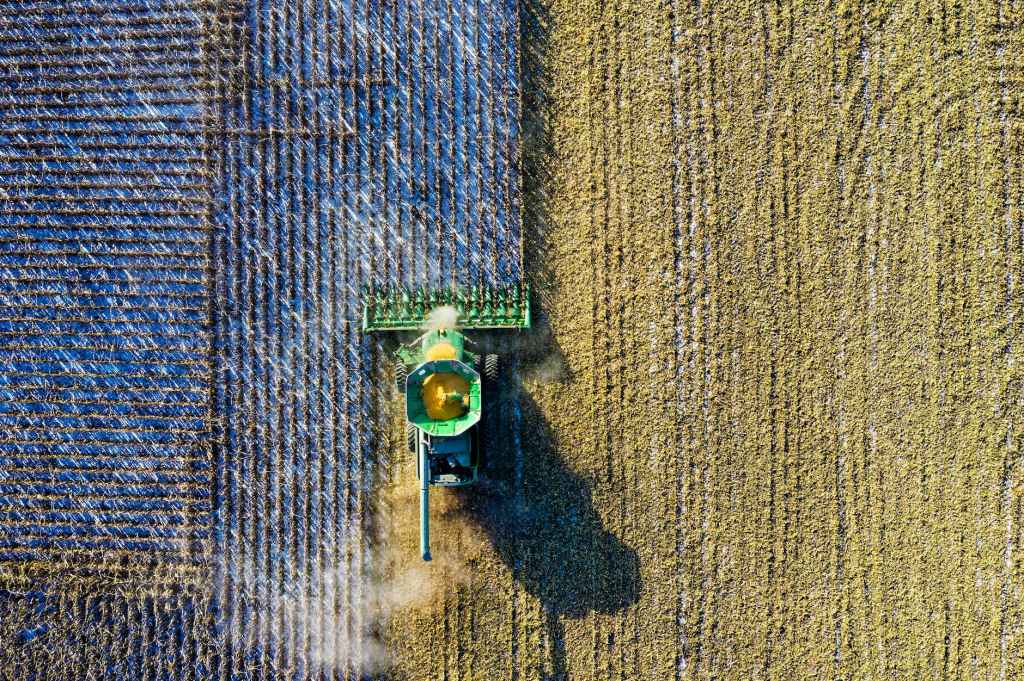
Alongside decreasing biodiversity, farmers are concerned about decreasing crop yields in relatively fertile land, this may cause a shortage of crop during the winter increasing reliance on imports from Tamor and other nations which has already affected rice futures in the stock markets. This worrying development has forced many farmers to look for alternatives to agriculture including subsistence farming and selling land to developers which results in further loss in biodiversity and soil fertility.
One farmer from the bin-Efos region has stated “I’m down to my last seed before I close the farm and sell the land, my family has owned this land for 7 generations and we always used to make a profit but recently margins have been so low I’m being forced to sell the land to get something back before I go bankrupt.” This harrowing tale is the same for many farmers in the region and nationally.
With the harm to our agriculture and environment, Layri are asking whether industrialisation and urbanisation have gone too far in Layr and how can we progress without harming the nation’s economy and health.

