

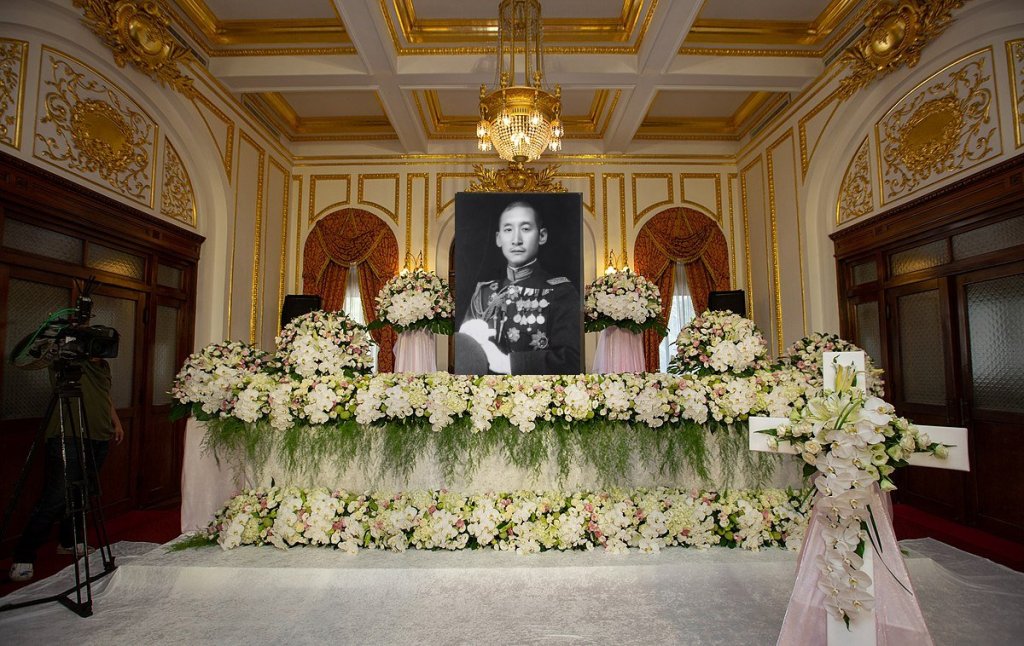
The Bai Empire bids farewell to their long-reigning monarch, the Fengyang Emperor, who died on 10 October at age 80.
His ashes were enshrined in the Fengyang Mausoleum, along with his late wife and eldest son, as per his wishes in his royal will. Historically, past Emperors were buried instead.
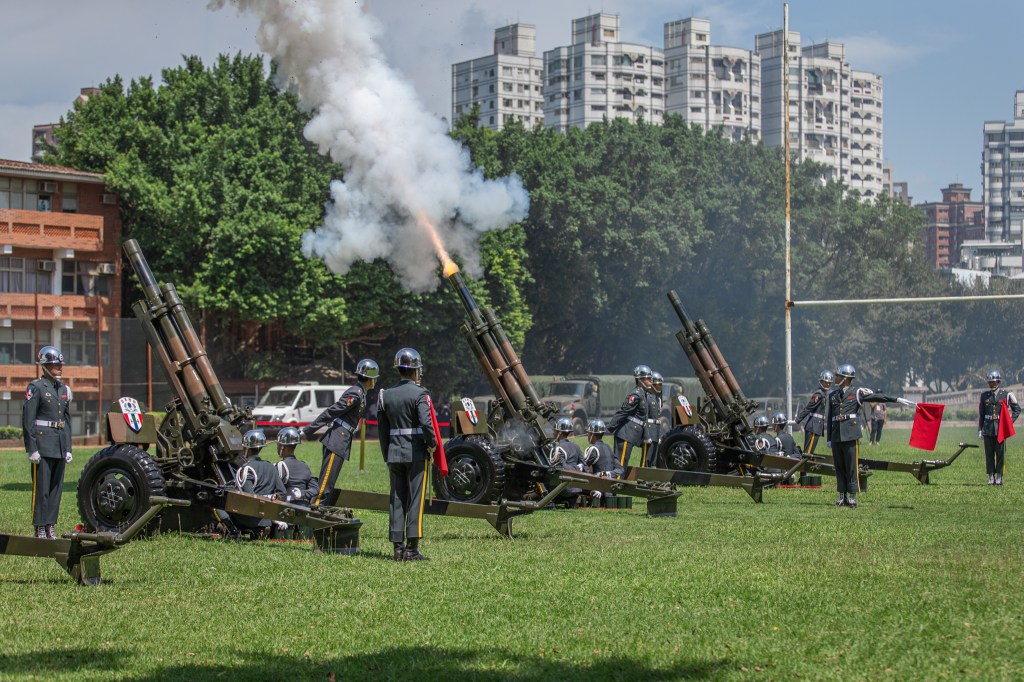
The funeral procession began on schedule at 12:30 pm, when the Emperor’s coffin was carried onto a ceremonial gun carriage and brought through the streets of Xiongjing. Despite torrential rain, hundreds of thousands, dressed in black, lined the streets to see their beloved monarch for the last time.
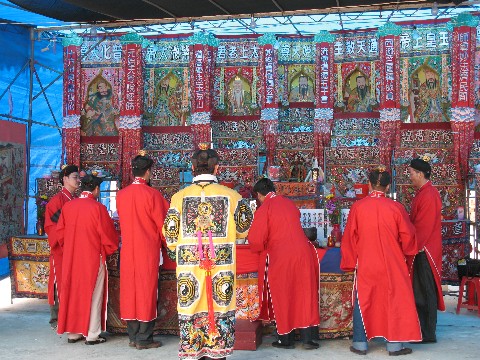
During the month-long mourning period, many citizens from various parts of the country travelled to the capital to pay their final respects, queuing for hours to attend the funeral wake held in the Imperial Palace, where the late Emperor laid in state.
A state funeral then took place at Tianhuang Temple on Baibeileng, the burial hill of past Bai Emperors. The funeral was attended by world leaders and dignitaries ahead of a private family cremation ceremony.
This was the first televised funeral of a Bai monarch.
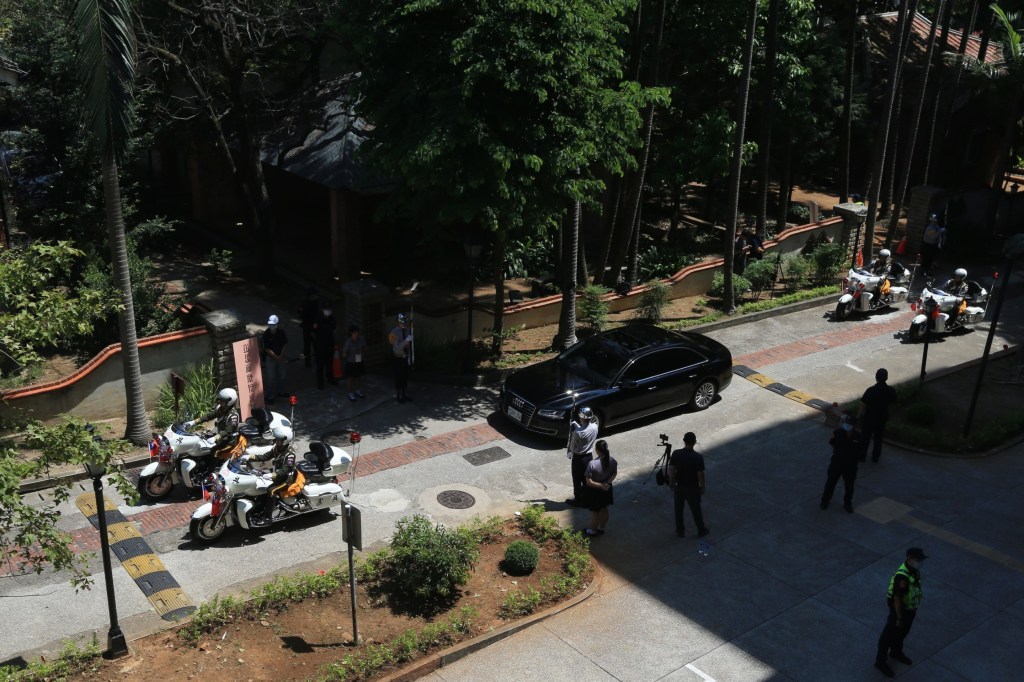
Among those in attendance include Grinzian President Saprén Soluang and Prime Minister Yimez Hrohua; Kuehong Chairman Le Van Kiet; former Federal States President Robert Michaels and current President Edith Elric; Wallean monarch Damai IV; Majesian Sultan Mustafa II; Demirhan monarch Davut IV; Dregovine monarch Anatol I; Mansa Rukhia al’dagher of Gharbiya; King Hans Fagerhjärta of Svennien; Crown Prince Jafaar Al Taybi of Mazan (the Sultan was unable to travel due to health reasons); Gobrassian President Gandork Dhavjhason; Freedemian President Angela Rosenthal; Izaki President Irokki Shinsayamo and foreign minister Nutazoi Taski; Plevian Prime Minister Rosanna de Vittori; and Tamor President Julio Geggut.
In her emotional eulogy, the new Empress Hexi said her father had served faithfully as “head of two families” – his own and the country – continuing to “guide and nurture” and “keeping his house in order”.
“He took pride in us and our country’s accomplishments, and was always there to be the bedrock of my family and the country. To honour my father’s memory and legacy, we must continue to pursue our ideals with courage and commitment,” she said.
Following her eulogy and others by nine leading figures, including incumbent Chancellor Huang Cailin and her brothers, sirens sounded across the country to mark the beginning and end of a minute’s silence. The funeral ended with the Royal Anthem Hymn to the Empire, before the coffin was carried to the crematorium.
The cremation marked the official end of the mourning period.
Even as a constitutional monarch, the late Emperor wielded significant influence in the country’s politics and was held in deep affection and respect by many of his people. He had overseen the country’s developments from his father’s authoritarian Regency Era to the 21st century, while shaping the revered and very powerful monarchy of today.
He is succeeded by his daughter, the Hexi Empress, whose coronation will be held on 1 January 2023 to mark the new year and the formal inauguration of the Hexi Era. She will have to reign over the deeply male-dominated, patriarchal nature of Bai society.
As the third child of the Fengyang Emperor, she was not expected to take the throne, spending much of her early life in the shadow of her elder brothers. Following her eldest brother’s abrupt death in 2007, she took on more royal duties, and many speculated she could be next in line as her other brothers showed apathy in taking the throne.

